
All 16 World Cup 2026 Venues Rated — From Azteca to MetLife
 Available in US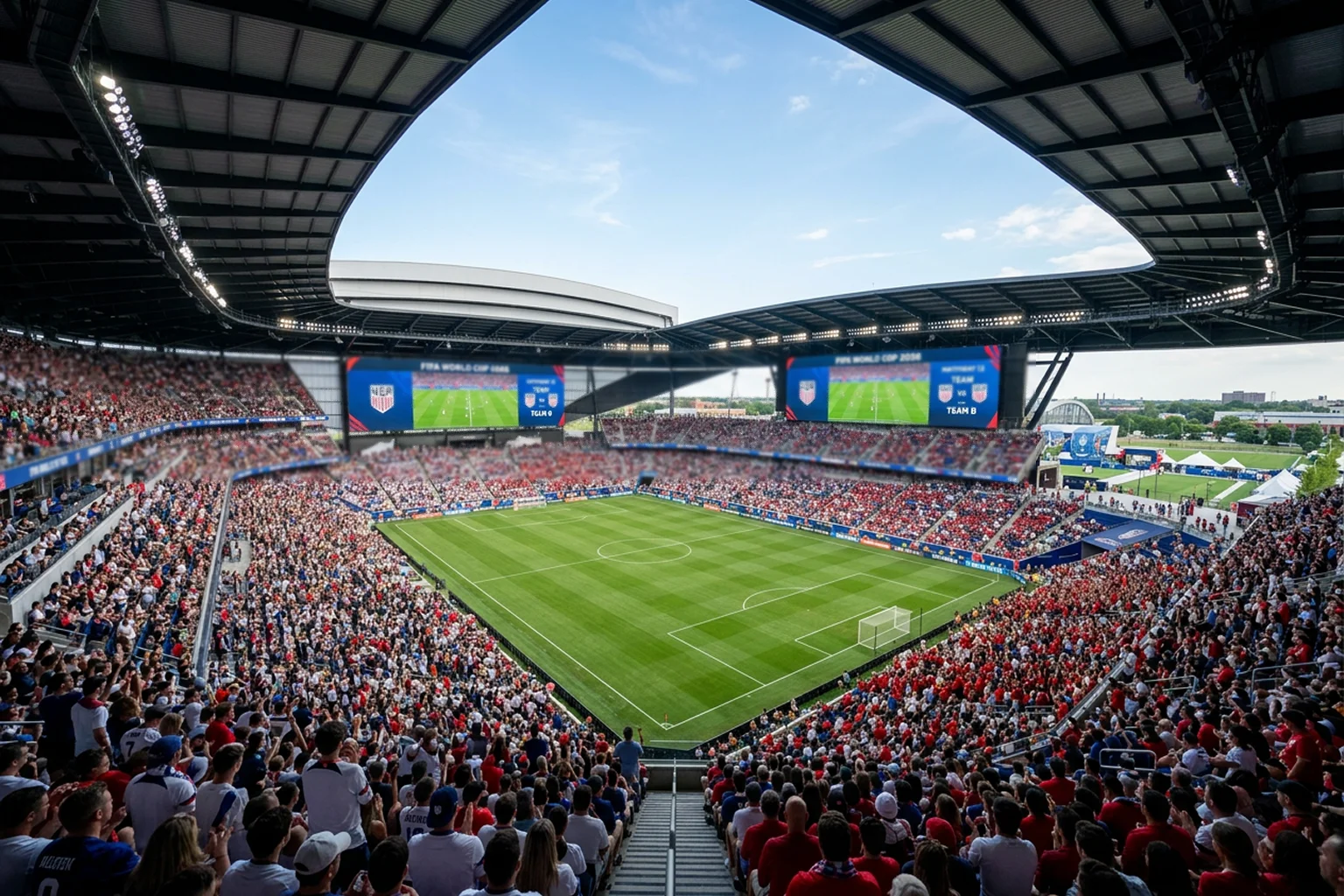
I have watched football in car parks, cowsheds and one memorable evening in a stadium that doubled as a cricket ground. None of that prepared me for the scale of what the 2026 World Cup is about to deliver. Sixteen stadiums across three countries, eleven of them American football fortresses originally designed for a sport where the ball only touches a foot on kickoffs and field goals. Converting these cavernous venues into football cathedrals is the great logistical gamble of this tournament, and the results will vary wildly from city to city.
This is my rating of every World Cup 2026 venue — not just capacity and location, but the factors that matter for the football itself: pitch dimensions, climate conditions, altitude and the intangible atmosphere that makes certain stadiums feel like a twelfth player. For punters, these details are not trivia. A match played at altitude in Mexico City and a match played in the humidity of Miami produce different tactical and physical dynamics, and those dynamics affect outcomes.
USA Venues — The American Football Fortresses
MetLife Stadium in East Rutherford, New Jersey hosts the World Cup final on 19 July 2026, and the pressure of that responsibility sits heavily on a venue that divides opinion. Its capacity of approximately 82,500 makes it one of the largest stadiums in the tournament, and its location in the New York metropolitan area guarantees a cosmopolitan crowd. The open-air design means weather is a factor — July in New Jersey brings heat, humidity and the occasional thunderstorm. The pitch will be natural grass installed specifically for the tournament, replacing the usual artificial surface. For the final, the atmosphere should be electric, but group-stage matches at MetLife could feel hollow if the crowd is scattered across 82,000 seats for a fixture between two nations with limited travelling support. Atmosphere: 8/10 for the final, 5/10 for group matches. Pitch: 7/10. Betting relevance: high — final venue conditions affect every outright market.
SoFi Stadium in Inglewood, Los Angeles is the most expensive stadium ever built, costing over five billion dollars. Its retractable roof creates an indoor-outdoor hybrid that shields the pitch from direct sunlight while allowing airflow — a significant advantage for player performance in the Southern California heat. The enclosed design amplifies crowd noise in a way that open-air American stadiums cannot match, and the Los Angeles football diaspora — massive Mexican, Salvadoran, Korean and Iranian communities — means group matches involving these nations will have genuine home-crowd energy. Atmosphere: 8/10. Pitch: 8/10. Betting relevance: moderate — the roof neutralises the heat factor that would otherwise affect match tempo.
Hard Rock Stadium in Miami Gardens, Florida brings the most extreme climate challenge of any venue. Temperatures in late June and early July regularly exceed 33 degrees Celsius with humidity above 70%. The stadium underwent a partial canopy installation that covers approximately 35% of seats, but the pitch remains fully exposed. European sides unaccustomed to subtropical conditions will struggle in afternoon matches, and the heat has historically benefited South American and African nations whose players are more acclimated. Atmosphere: 7/10. Pitch: 6/10. Betting relevance: very high — the heat is a measurable factor that should influence match betting and over/under goals markets, as fatigue in the second half tends to produce more goals.
AT&T Stadium in Arlington, Texas features a retractable roof that will almost certainly be closed during matches, creating a fully enclosed, air-conditioned environment. The stadium seats approximately 80,000 and was designed for spectacle — its enormous video screen and tiered seating create an amphitheatre effect that concentrates noise. The Dallas-Fort Worth area has a substantial Latino population, which guarantees a passionate crowd for matches involving Mexican, Colombian and other Latin American sides. Atmosphere: 8/10. Pitch: 7/10. Betting relevance: low — the controlled environment removes climate variables from the equation.
NRG Stadium in Houston offers another enclosed option with a retractable roof that will be closed to combat the Texas heat and humidity. Houston’s diverse population — one of the most ethnically varied cities in the United States — means every match will draw fans from at least one of the competing nations. The stadium’s history of hosting major sporting events provides operational expertise. Atmosphere: 7/10. Pitch: 7/10. Betting relevance: low.
Mercedes-Benz Stadium in Atlanta is a fixed-roof venue with a unique petal-shaped opening that can be adjusted to control airflow. It seats approximately 71,000 and is considered one of the best sporting venues in North America. Atlanta’s heat is comparable to Houston’s, but the roof eliminates it as a factor. The city’s large African-American and Latino communities will provide passionate support. Atmosphere: 8/10. Pitch: 8/10. Betting relevance: low.
Lumen Field in Seattle is one of only three open-air venues in the western United States hosting matches. The Pacific Northwest climate is cooler than most other US host cities — July temperatures average around 24 degrees Celsius — which benefits European sides accustomed to temperate conditions. Lumen Field is renowned for its crowd noise in MLS and NFL matches, with steep seating that funnels sound onto the pitch. Atmosphere: 9/10. Pitch: 7/10. Betting relevance: moderate — the cooler climate favours certain playing styles.
Levi’s Stadium in Santa Clara, serving the San Francisco Bay Area, sits in a heat pocket that belies the region’s reputation for mild weather. Summer temperatures in Santa Clara routinely exceed 30 degrees Celsius, and the open-air design offers no protection. The Bay Area’s tech-industry demographics create a different crowd profile — more corporate, less tribal — which could dampen the atmosphere compared to venues in cities with larger football-specific communities. Atmosphere: 5/10. Pitch: 6/10. Betting relevance: moderate — heat is a factor in afternoon matches.
Lincoln Financial Field in Philadelphia, Gillette Stadium in Foxborough serving Boston, and GEHA Field at Arrowhead Stadium in Kansas City complete the American roster. Philadelphia offers passionate, vocal crowds and a mid-Atlantic climate that is warm but manageable. Gillette is the most remote major venue, located thirty miles outside Boston, which creates transport challenges that could suppress crowd size for less popular group matches. Arrowhead in Kansas City is considered one of the loudest stadiums in American sports, with crowd noise records exceeding 142 decibels — if that energy transfers to football, it could be the most intimidating venue in the tournament. Atmosphere: Philadelphia 7/10, Gillette 5/10, Arrowhead 9/10. Pitch: all 7/10. Betting relevance: low across all three.
Mexico Venues — Passion and History
Estadio Azteca in Mexico City is the only stadium in the world to have hosted two World Cup finals — 1970 and 1986 — and it opens the 2026 tournament with Mexico vs South Africa on 11 June. The Azteca sits at 2,200 metres above sea level, which is its most significant characteristic for both players and punters. At that altitude, the ball travels faster through thinner air, players fatigue more quickly and teams that lack acclimatisation lose approximately 5% of their physical capacity. The atmosphere at the Azteca is legendary — 87,000 Mexican fans creating a wall of noise that has broken visiting teams for decades. The stadium has undergone renovation, but its age shows in some facilities. Atmosphere: 10/10. Pitch: 7/10. Betting relevance: very high — altitude is a measurable advantage for acclimatised sides and a significant factor in match betting.
Estadio BBVA in Monterrey is a modern, 53,000-seat venue that has hosted international matches regularly. Monterrey’s climate is hot and dry — temperatures in June and July hover around 35 degrees Celsius — and the stadium’s open design offers minimal shade. The city’s proximity to the US border means a mix of Mexican and American fans for cross-border fixtures. Atmosphere: 7/10. Pitch: 8/10. Betting relevance: moderate — heat is a factor but altitude is not an issue.
Estadio Akron in Guadalajara, home to Club Deportivo Guadalajara (Chivas), holds approximately 49,000 and is the smallest venue in the tournament. Guadalajara sits at 1,566 metres — a mild altitude effect that visiting teams will barely notice. The stadium is modern, well-maintained and benefits from a football-obsessed city with a strong cultural identity. Atmosphere: 8/10. Pitch: 8/10. Betting relevance: low.
Canada Venues — The Northern Outposts
BMO Field in Toronto is a purpose-built football stadium with a capacity expanded to approximately 45,000 for the World Cup. It is the most intimate venue in the tournament, and that intimacy generates an atmosphere that larger American stadiums struggle to match. Toronto’s June climate is pleasant — around 25 degrees Celsius — and the city’s multiculturalism means every group match will feature fans from the competing nations. BMO Field has hosted MLS Cup finals and international matches, so the operational infrastructure is proven. Atmosphere: 8/10. Pitch: 8/10. Betting relevance: low — no extreme climate or altitude factors.
BC Place in Vancouver is a domed stadium seating approximately 54,000 with a retractable roof. Vancouver’s climate is the mildest of any host city — summer temperatures average 22 degrees Celsius — and the enclosed environment eliminates weather as a variable. The city’s Pacific Rim demographics provide strong support for Asian nations, and the Canadian national team’s games here have produced some of the loudest crowds in CONCACAF qualifying. Atmosphere: 7/10. Pitch: 7/10. Betting relevance: low.
Climate and Conditions — The Betting Factor
If there is one variable from this venue analysis that should change how you bet on the World Cup 2026, it is climate. Three venues stand out for producing conditions that measurably affect match outcomes: Estadio Azteca (altitude), Hard Rock Stadium (heat and humidity) and Levi’s Stadium (heat in an open-air design).
At the Azteca, teams that have not acclimatised to 2,200 metres of altitude will lose intensity in the second half. Historical data from matches played at altitude in South American football shows a 12% increase in goals scored after the 60th minute, as visiting sides tire more rapidly. If you are betting on matches at the Azteca, second-half goals and over 2.5 total goals are statistically favoured.
At Hard Rock Stadium, the heat index during afternoon matches can exceed 40 degrees Celsius when humidity is factored in. European teams that play a high-pressing, high-tempo style will be forced to conserve energy, which lowers the overall tempo and can produce tactical, low-scoring matches in the first half followed by open, error-strewn second halves as fatigue sets in. The pattern is similar to what we saw at the 2014 World Cup in Brazil, where second-half goals accounted for 58% of the total.
The enclosed, air-conditioned venues — AT&T Stadium, Mercedes-Benz Stadium, NRG Stadium and BC Place — neutralise all climate variables. Matches in these stadiums should be assessed purely on team quality and tactical matchups, without environmental adjustments. For punters, this means the venue allocation matters as much as the opponent when assessing group-stage match markets.
My Top 5 Venues for Atmosphere
After reviewing all sixteen stadiums, factoring in crowd culture, stadium design, historical significance and the specific matches assigned to each venue, here is my ranking of the five best World Cup 2026 venues for atmosphere. First, Estadio Azteca — there is no contest. The history, the altitude, the opening match, the Mexican crowd. It is the greatest football stadium in North America by any measure. Second, Arrowhead Stadium in Kansas City — the loudest stadium in the country, with a crowd culture built on passion that transfers naturally to football. Third, Mercedes-Benz Stadium in Atlanta — modern, enclosed and designed to amplify noise. Fourth, SoFi Stadium in Los Angeles — the diversity of the LA football community guarantees energy for every match. Fifth, BMO Field in Toronto — the intimacy of a purpose-built football ground creates an intensity that cavernous American venues cannot replicate.
The World Cup 2026 venues are a mixed bag — some are genuine cathedrals of sport, others are oversized multipurpose arenas that will feel strange with football markings on the pitch. For punters, the venue list is not background information; it is a variable that affects match outcomes in ways the casual bettor ignores. Factor in altitude, heat, crowd energy and pitch quality, and you have an edge that the odds boards do not fully price. For a detailed look at the final venue and what it means for outright markets, my MetLife Stadium guide covers the ground where the trophy will be lifted.
How many stadiums are being used at the 2026 World Cup?
Sixteen stadiums across three countries: eleven in the United States, three in Mexico and two in Canada. The opening match takes place at Estadio Azteca in Mexico City, and the final is at MetLife Stadium in East Rutherford, New Jersey.
Does altitude affect World Cup matches in Mexico?
Estadio Azteca in Mexico City sits at 2,200 metres above sea level, which reduces oxygen availability and causes the ball to travel faster through thinner air. Teams that have not acclimatised lose physical intensity in the second half, and historical data shows a measurable increase in late goals at altitude venues.
Which World Cup 2026 venues have a roof?
AT&T Stadium in Arlington, NRG Stadium in Houston, Mercedes-Benz Stadium in Atlanta, SoFi Stadium in Los Angeles and BC Place in Vancouver all have roofs that can be closed during matches. These venues eliminate weather and heat as variables, creating controlled playing conditions.
